Professional Ethics and the KeyBank PPP Case: Lessons for Today’s CPAs

Professional Ethics and the KeyBank PPP Case: Lessons for Today’s CPAs

Every CPA knows that maintaining professional ethics is a core responsibility of the accounting profession. Yet ethics training is often approached as something to “check off” rather than a critical, practice-based skill. The KeyBank PPP case provides a timely example of how ethical judgment can fail under pressure—and why accountants need ongoing development in professional skepticism and ethical awareness.

The Professional Ethics course is a NASBA approved ethics CPE program designed to help CPAs strengthen real-world ethical judgment. Rather than simply reviewing standards, the course examines how ethical decisions unfold within organizations—where culture, assumptions, and external pressures can influence outcomes.


Why the KeyBank PPP Case Matters

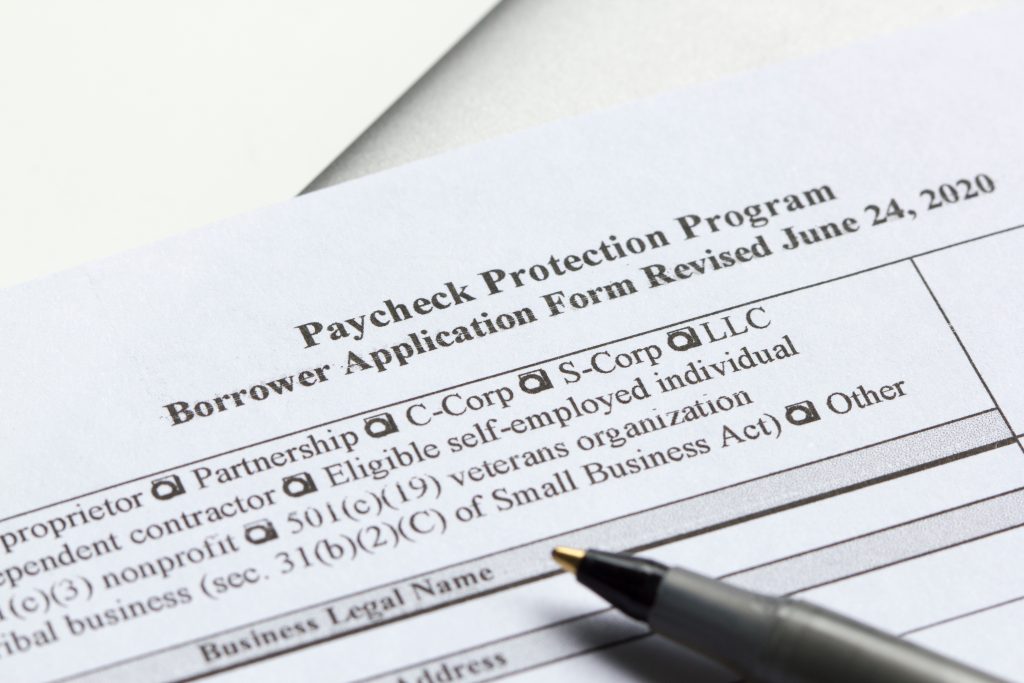
The Paycheck Protection Program (PPP) was launched in March 2020 under the CARES Act to provide forgivable loans to U.S. small businesses struggling due to the COVID-19 pandemic. Because the program was implemented rapidly, the risk of fraud was unusually high, and law enforcement has prosecuted dozens of cases where criminals exploited the system.

KeyBank Case Highlights:

  • The Scheme: Tommy Hawkins, a former KeyBank branch manager, worked with co-conspirators to submit fraudulent PPP loan applications using shell companies and falsified payroll data.
  • Scope of Loss: Over 48 applications resulted in approximately $6 million in PPP loans being disbursed.
  • Bank Responsibility: While KeyBank did not originate the fraud, it submitted forgiveness applications for all 48 loans, including loans flagged as suspicious, raising civil liability concerns under the False Claims Act.
  • Outcomes: Hawkins was sentenced to 65 months in federal prison, other co-conspirators were prosecuted, and KeyBank settled civil claims for $7.77 million in 2026, without admitting liability.

For CPAs, this case illustrates the importance of professional ethics, highlighting how ethical lapses can occur under pressure—even when policies and controls are in place.

The Role of Professional Skepticism

Professional skepticism is more than verifying numbers. It’s about understanding human behavior, questioning assumptions, and probing when something doesn’t align.

Participants in the Professional Ethics course examine how:

  • Confirmation bias can affect judgment under pressure
  • Organizational and authority pressures influence decision-making
  • Incentive structures and performance goals can shift ethical boundaries
  • Institutional culture can override internal controls

This reflective approach builds ethical resilience—an essential skill in today’s evolving accounting environment, including emerging areas like AI ethics for CPAs US, where technology and rapid decision-making add new layers of risk.

Why This Course Is Valuable for U.S. CPAs

This course is particularly relevant for:

  • CPAs completing state specific ethics requirements
  • Audit and assurance professionals
  • Controllers, CFOs, and internal auditors
  • Firms seeking to strengthen staff judgment and ethical reasoning

The course provides:

  • NASBA approved ethics CPE credit
  • Self-paced online access
  • Practical, scenario-based learning—not just theory

A Case Study Approach Makes Ethics Meaningful

Traditional ethics training can feel repetitive. Case-based learning changes the experience entirely.

By examining real-world examples like the KeyBank PPP case, CPAs can clearly see:

  • How ethical lapses develop step-by-step
  • Where timely interventions could prevent escalation
  • How personal and institutional judgment influence outcomes

The Case for Case Studies

Case studies makes learning relevant, memorable, and directly applicable in auditing, reporting, oversight, and advisory roles.

  • Overconfidence in AI output can impair judgment
  • Lack of transparency can erode trust
  • Bias or error in AI models can lead to flawed conclusions
  • Proper review and skepticism are critical to ethical practice

Understanding these connections allows CPAs to integrate AI responsibly and make informed decisions that reflect both competence and care

Strengthen your ethical decision-making.

Practice applying professional skepticism in real-world contexts

Earn meaningful NASBA-approved ethics CPE credits.


Enroll in today: Professional Ethics: Case studies 


Your role in protecting trust matters – sharpening your ethical judgment ensures you’re prepared for it.

Scroll to Top